

What Are March Garden Tasks?
The Garden Is Waking Up!
Spring arrives in Sacramento on March 20th, and suddenly the whole garden starts to dance with life! March is the month when buds burst with promise, days stretch a little longer, and everything in the garden seems to wake up at once.
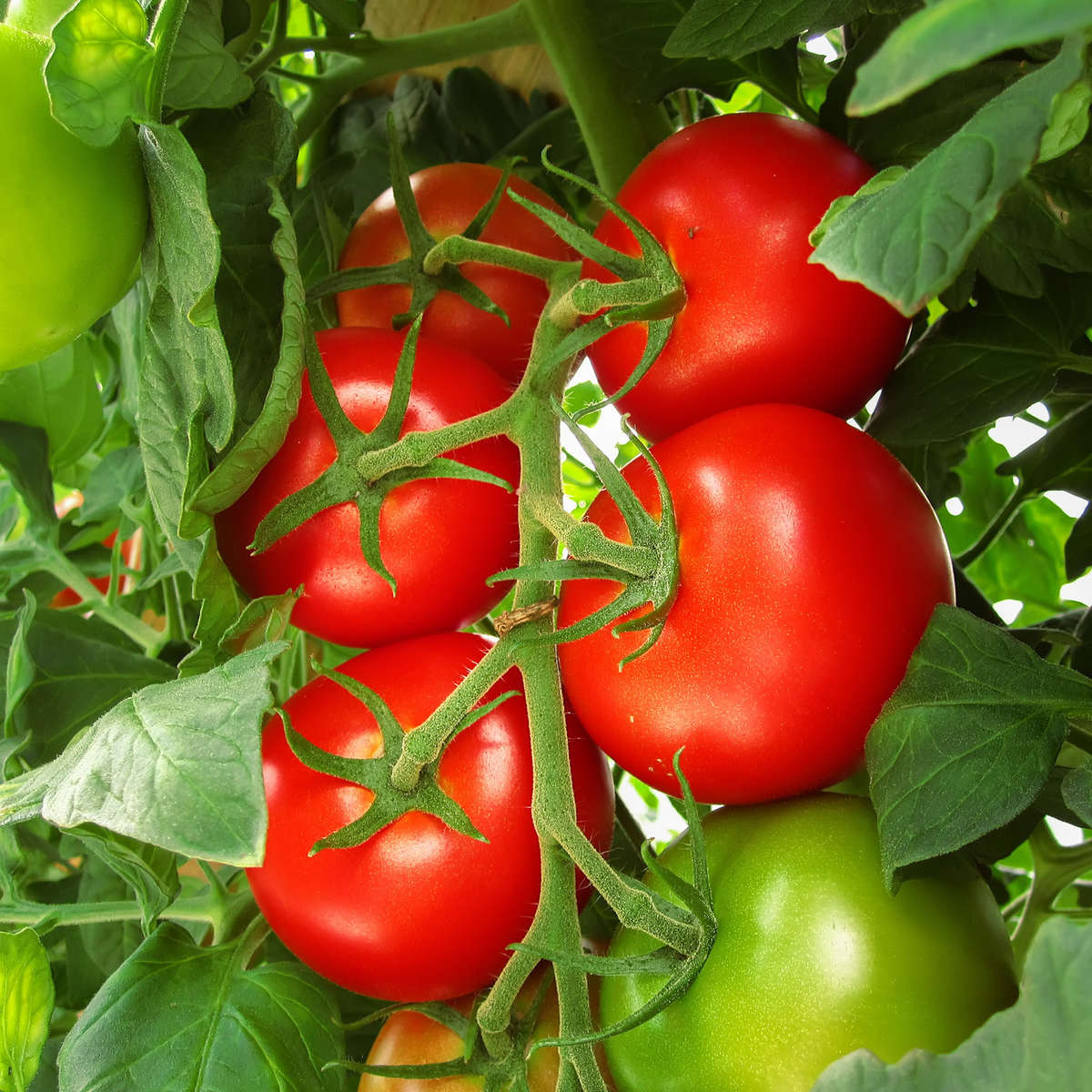
Vast Varieties of Veggies
Keep sowing cool‑season veggie staples like carrots, beets, chard, kale, lettuce, radishes, spinach, and turnips, while kicking off warm‑season planting with tomatoes, peppers, eggplants, beans, corn, cucumbers, melons, and summer squash.
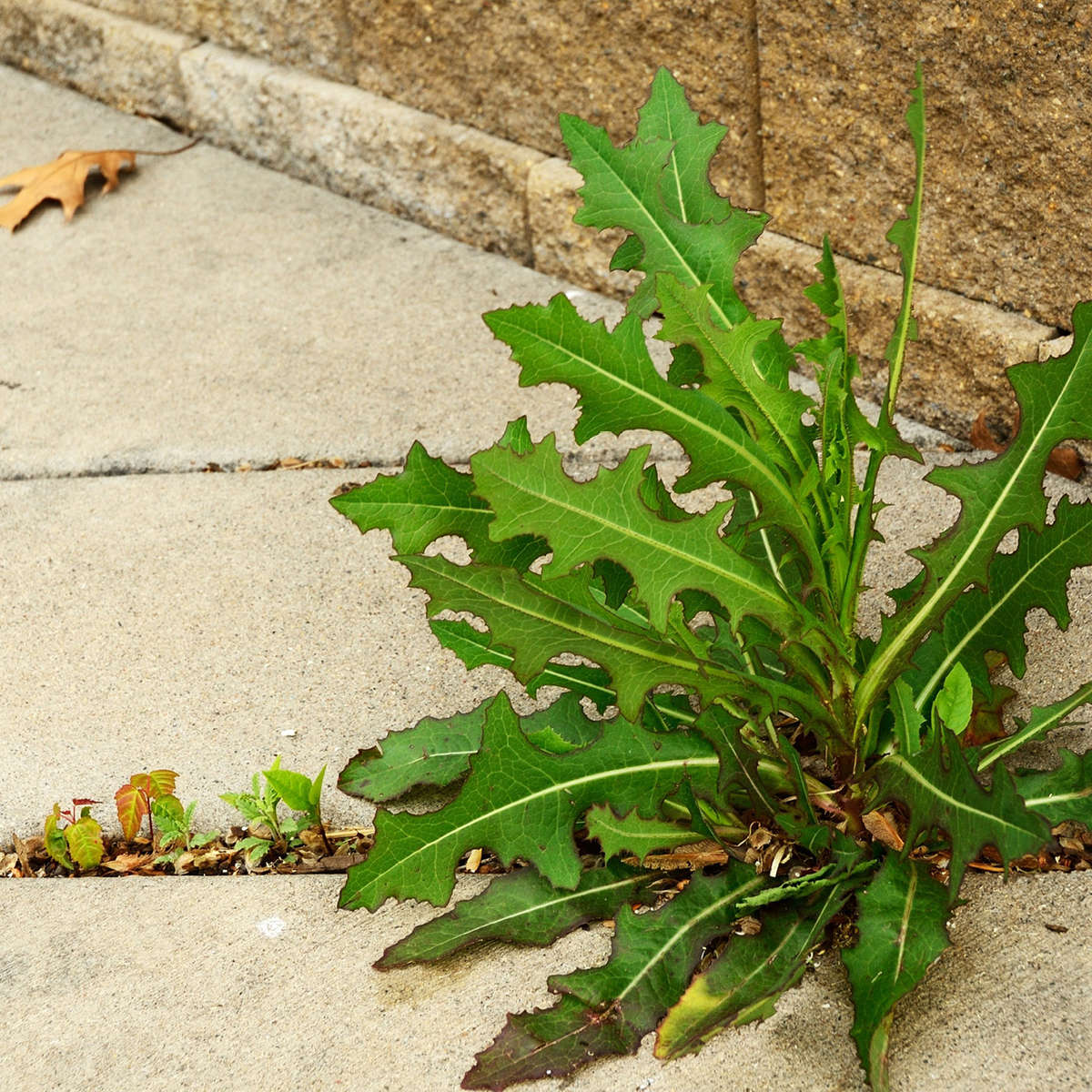
Get Out of the Weeds
Yank weeds while they’re tiny and before they go to seed. The soil’s soft after all the rain, they pop right out, and hey… it counts as exercise!
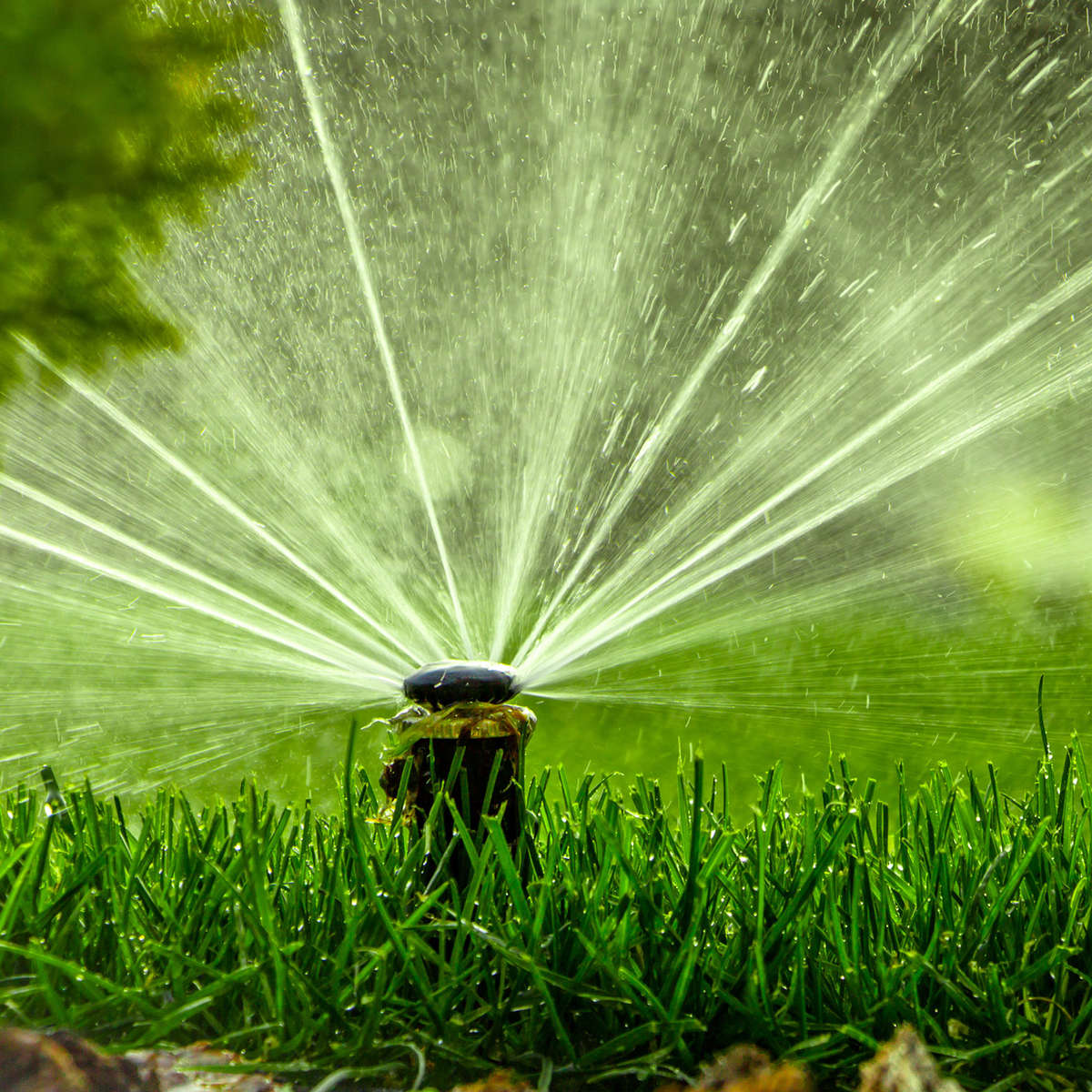
Check Irrigation
Check your irrigation system for leaks, clogs, and efficiency. Consider installing or upgrading to a drip system before the heat of summer arrives. Our irrigation gurus are here to guide you.
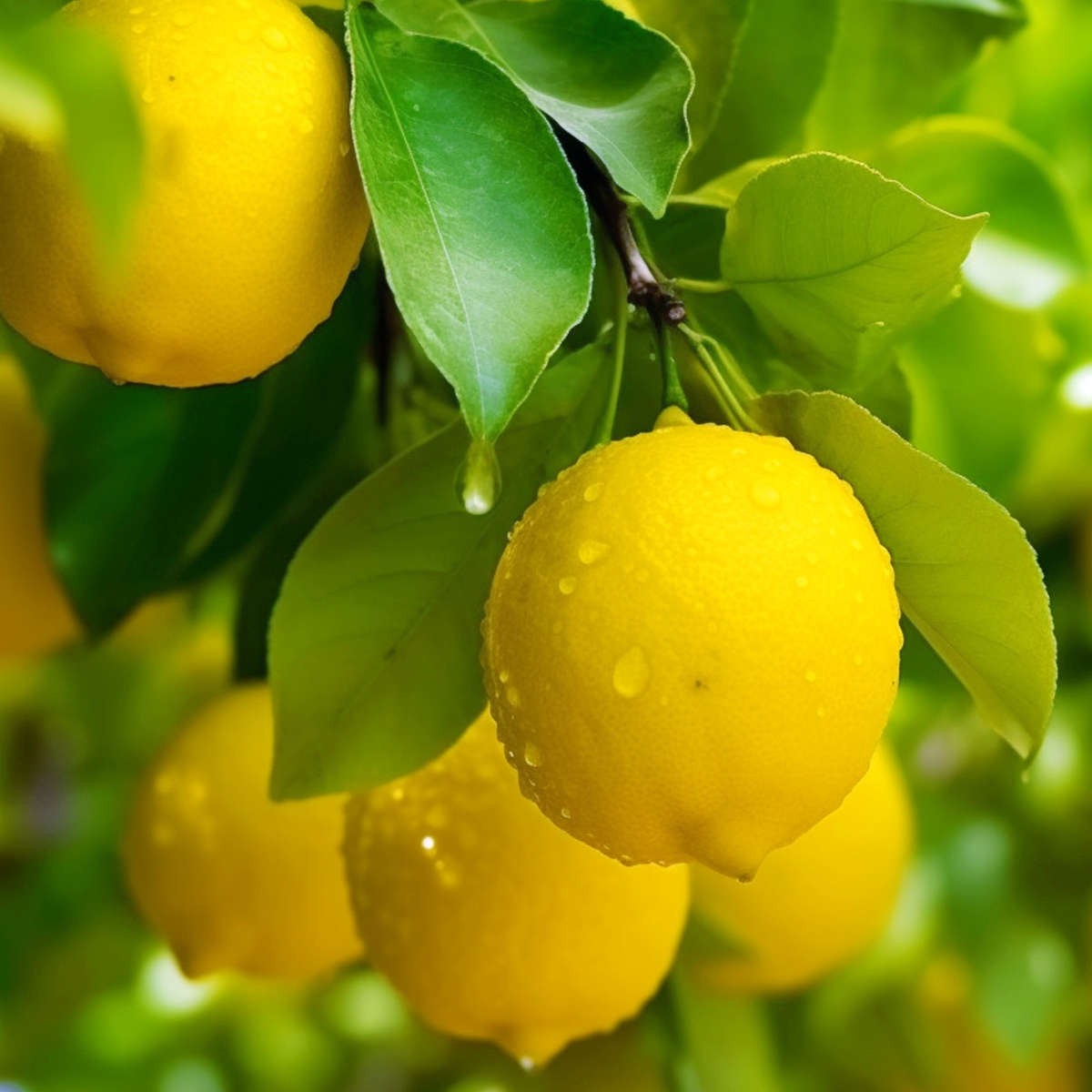
Plant Sweet Citrus
With warming soil, mild weather, and no frost in sight, March is an ideal month to plant citrus, giving young trees a long, gentle growing season to root in and thrive, whether you’re planting in-ground or in containers.
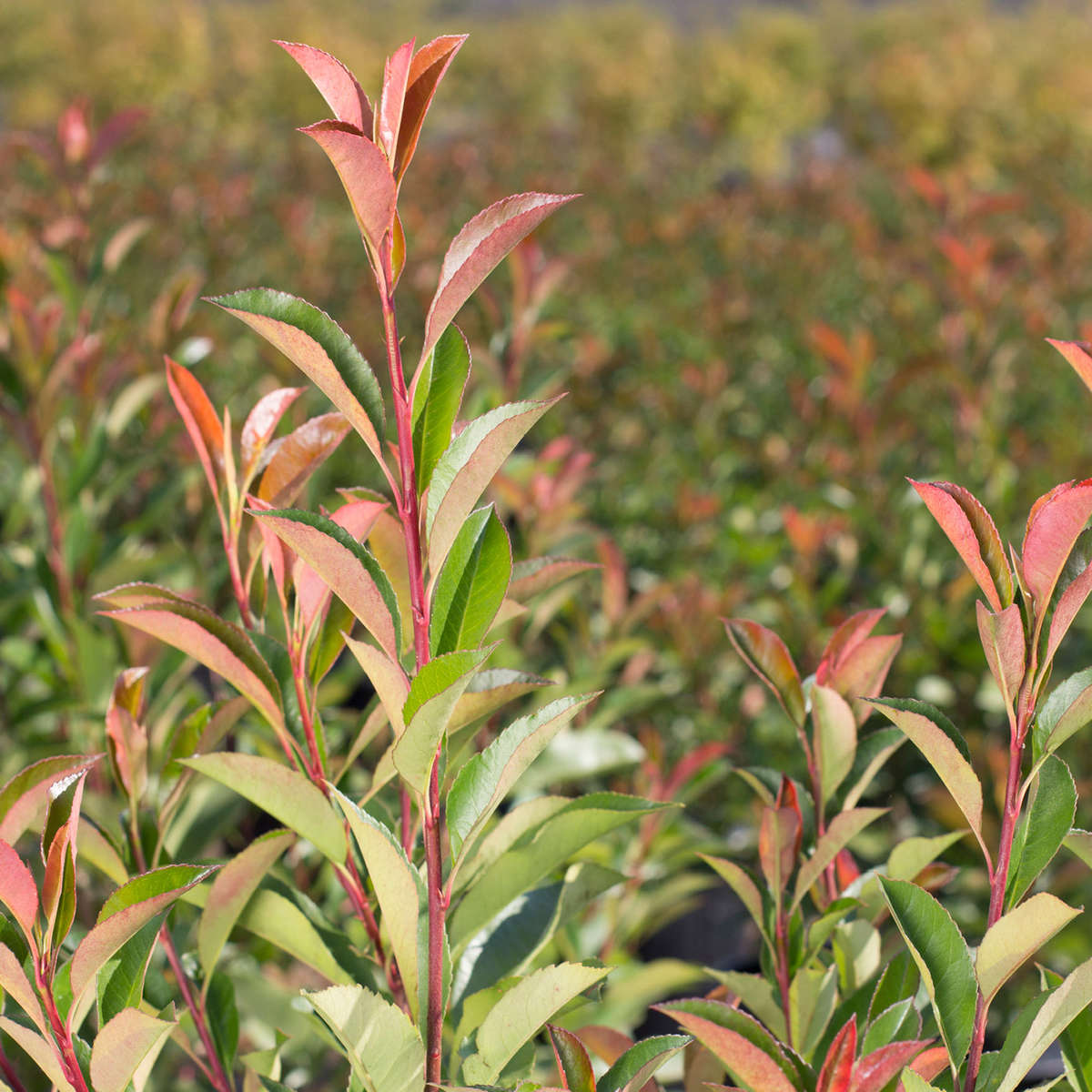
Feed Me!
Feed your established perennials, shrubs, and trees with organic fertilizer. As the soil warms, plants wake up and push fresh new growth, and a gentle organic feeding delivers slow‑release nutrients right when they need them most, boosting soil biology and helping roots grow strong and resilient.
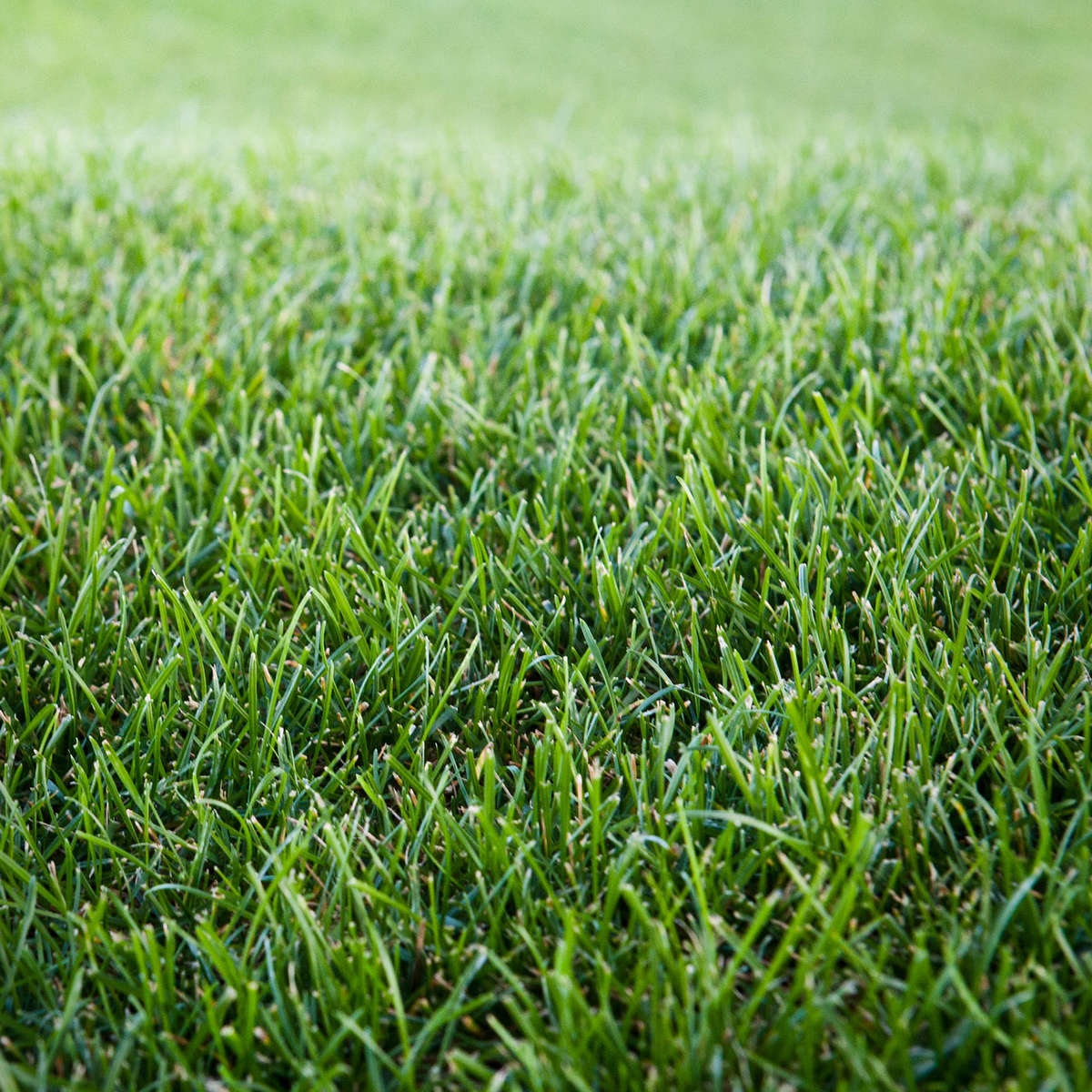
Lawn Care
March is the first month to feed cool‑season lawns like rye, bluegrass, and fescue. This early boost helps them green up, recover from winter, and build strong roots before the heat arrives.
Other Timely Tasks for March
- A fresh layer of mulch helps your soil hold moisture, blocks out weeds, and protects plant roots as temperatures swing.
- March is a perfect time to plant herbs: rosemary, sage, thyme, oregano, chives, cilantro, parsley, and more.
- March is prime time to plant spring and summer annuals: alyssum, marigolds, snapdragons, and cosmos.
- Sharpen your mower blades. Sharp blades make clean cuts, helping your lawn stay greener, healthier, and far less prone to disease.
- Cut back perennials and ornamental grasses once new growth appears. Deadhead spring-blooming plants like salvia, to encourage longer flowering periods.
- Prune and fertilize spring‑flowering shrubs and trees only after they finish blooming. This protects next year’s buds and keeps your plants healthy and productive.
- Repot rootbound houseplants or simply refresh the top couple inches of soil to give them a nutrient boost for spring.
- Keep bird baths clean as temperatures warm and add a little movement like a solar water wiggler to attract migrating birds and help prevent mosquitoes from settling in.