

What Are September Garden Tasks For North Texas?
A New Season Is Ahead
Fall is around the corner, and it's the perfect time to put something new in the ground in North Texas: spring-blooming bulbs, cool-season veggies, trees and shrubs, seasonal color, and more. Plant now and let seasonal rain help establish strong roots before the heat of next summer. Make time for a little bit of maintenance this month: check in on your lawn, adjust irrigation watering schedules, and refresh mulch.
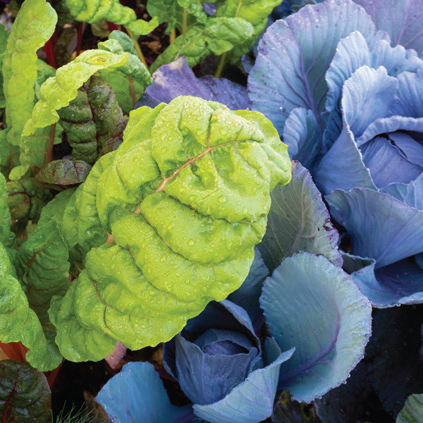
Fall Is For Planting!
A strengthening El Niño may bring a wetter-than-normal fall and winter, making September a great time to plant trees, shrubs, roses, natives, and cool-season veggies. Get them in the ground now and let the seasonal rains help establish strong roots before next summer's heat arrives.
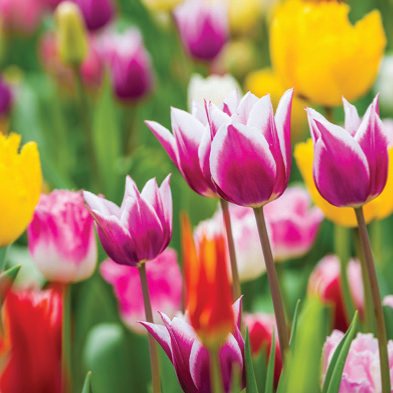
Bountiful Bulbs
Plant spring-flowering bulbs like daffodils, Dutch iris, hyacinth, grape hyacinth, and other spring bloomers. Tulips will require 6-8 weeks of refrigeration before planting later in the fall.
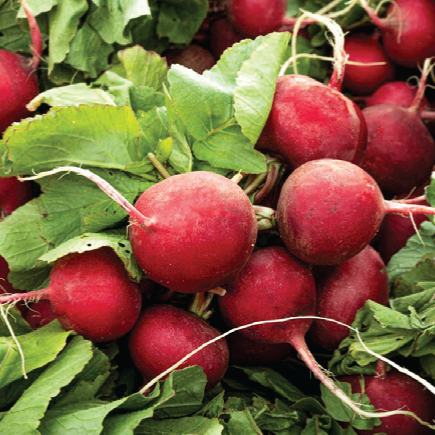
Cool-Season Veggies
Direct sow beets, carrots, lettuce, spinach, turnips, radishes, Swiss chard, mustard greens, kale, arugula, collards, and sugar snap peas. Warm soil temperatures encourage rapid germination, while gradually cooling nights create ideal growing conditions for fall vegetables.
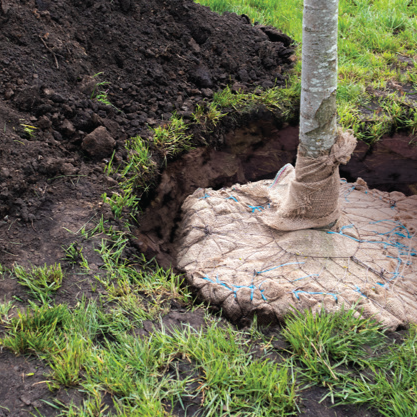
Plant A Tree!
September is prime tree-planting season. The soil remains warm enough for rapid root growth while slightly cooler temperatures reduce transplant stress. Plant shade trees now to establish strong roots before next summer's heat arrives.
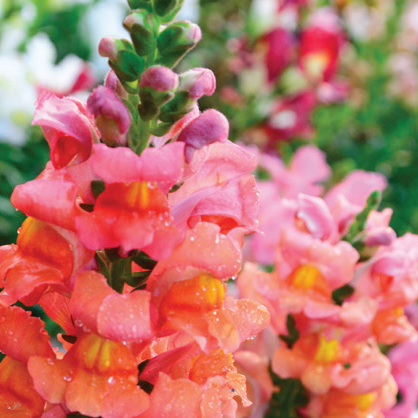
Fall Blooms
Add fresh color with cool-season annuals like pansy, viola, snapdragon, dianthus, calendula, and ornamental kale. Planting now provides months of color through fall, winter, and early spring.
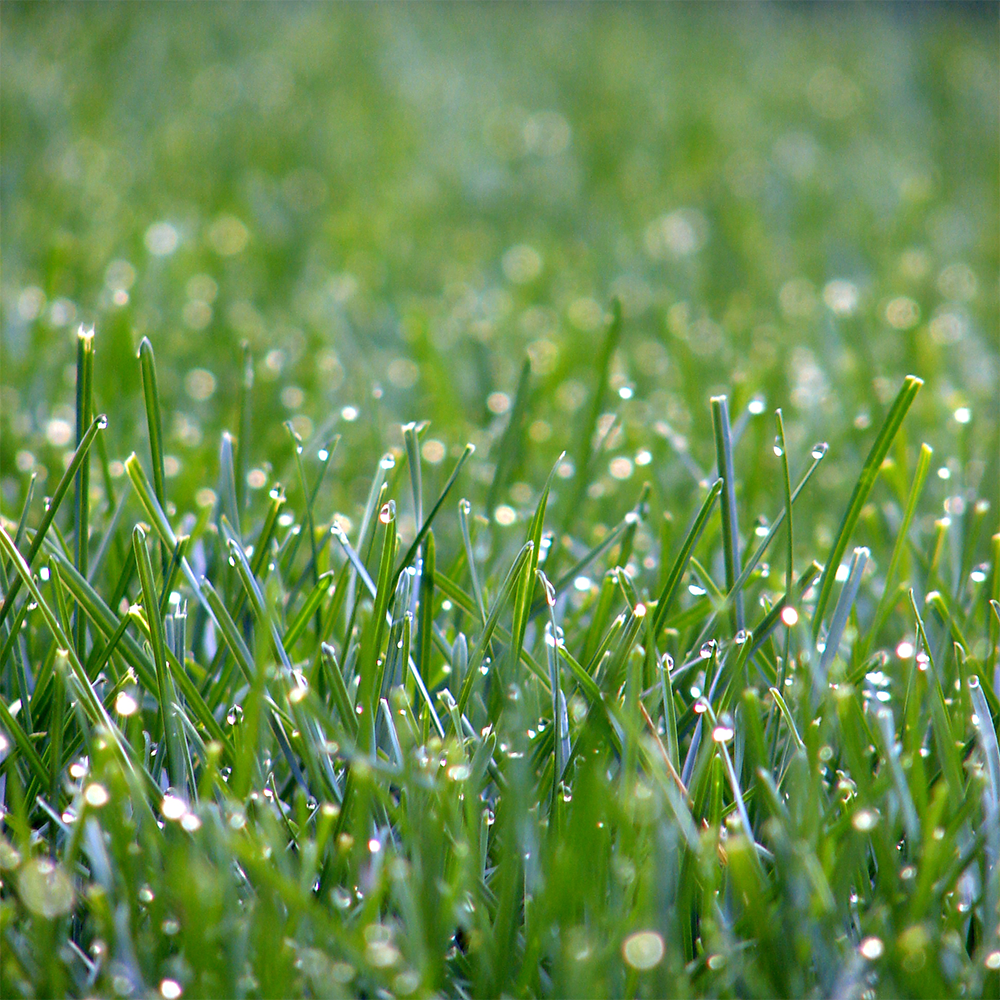
Love Your Lawn
September is an excellent time to renovate warm season lawns: aerate compacted soils, top-dress with compost, and address thinning areas. Continue proper mowing and fertilization practices for Bermuda, St. Augustine, and Zoysia lawns.
Other Timely Tasks for September
- Keep harvesting summer crops while they last: tomatoes, peppers, okra, eggplant, sweet potatoes, and southern peas. Remove declining plants and refresh beds with compost before planting cool-season vegetables.
- As temperatures gradually moderate and daylight hours shorten, many landscapes require less water. Monitor rainfall and reduce irrigation run times as needed while continuing to water deeply and infrequently.
- Create a pollinator and bird-friendly garden. Plant Texas natives such as Turk's Cap, Autumn Sage, Gregg's Mistflower, Flame Acanthus, and Gulf Muhly. These plants provide nectar, seeds, and habitat for hummingbirds, butterflies, and other beneficial wildlife.
- Cool-season vegetable transplants such as broccoli, cabbage, cauliflower, Brussels sprouts, kale, Swiss chard, and lettuce transplants become widely available this month. Early planting allows crops to establish before colder weather arrives.
- Apply a 2”-3” layer of mulch around trees, shrubs, perennial beds, and vegetable gardens. Mulch conserves moisture, moderates soil temperatures, suppresses weeds, and improves soil health.
- Give houseplants a seasonal checkup: clean dusty foliage, inspect for insects, and reduce watering frequency as indoor light levels begin to decrease. If plants spent the summer outdoors, check carefully for pests before bringing them inside.
- September is rose revival season. Continue deadheading spent blooms, remove diseased foliage, and apply a light fertilizer application if needed. As temperatures moderate, roses typically produce one of their most beautiful bloom cycles of the year.
- Late September is one of the best times to sow Texas wildflowers: bluebonnet, Indian paintbrush, larkspur, poppy, winecup, and other native wildflowers. Fall planting allows seeds to establish naturally and produce spectacular spring displays.